Day 1
Read-only connection map
Exact AWS IAM role, Azure service principal, GCP service account, or StackIT token scope. No agents, no write access, no Terraform change required.
Free 14-day audit
Connect AWS, Azure, GCP, or StackIT with read-only access. We show what changed, who owns it, why it happened, and which action should happen before the invoice closes.
4 clouds
read-only sources
AWS, Azure, GCP, and StackIT stay the source of truth
14 days
audit window
Daily anomaly scan with a written finding list at the end
1 page
finance summary
Forecast drift, top exposure, owners, and the next decision
Scoped
access setup
IAM role, Azure service principal, GCP service account, or StackIT token
Free 14 days, read-only access, one-page anomaly report at the end.
Live: AWS · Azure · GCP · StackIT
scanningCloud cost review
Provider access, evidence, and MCP trace
Provider evidence map
Each row maps to a real provider API boundary. Customer values are never shown on the public site.
Agent question
Show cost changes by service, owner tag, and source account for this review.
trace cost.summary grouped by provider, service, and owner tag
trace inventory.list filtered by linked account, project, or subscription
trace anomalies.recent with source API and review status attached
Returned evidence
The answer includes provider, account or project, service, region, owner tag, and the API path used.
Provider-native access
Real data, real providers. Real logos, real APIs, no browser scraping. Cloud Horizons normalizes the data while each provider remains the source of truth.




Audit packet
The audit is a short decision packet for finance, FinOps, and platform owners who need to know what changed, who owns it, and what to do next.
Day 1
Exact AWS IAM role, Azure service principal, GCP service account, or StackIT token scope. No agents, no write access, no Terraform change required.
Days 2-7
Daily deltas grouped by cloud, service, account, region, project, owner tag, and likely cause so the first review starts with evidence.
Day 14
A short CFO-ready summary plus engineering notes with dollar impact, confidence, remediation options, and what to check in the provider bill.
After review
Pilot sessions close with trust, clarity, speed, and requested-fix feedback. Launch evidence only counts completed real-customer sessions.
Monday morning workflow
The first job is to replace the slow path from billing export to accountable next action. Each finding starts with dollars, owner, source data, and the decision waiting on the team.
Before
A month-end cloud bill jumps and the team has to export CSVs before anyone knows where to look.
After Cloud Horizons
Cloud Horizons opens with the service, region, account, owner tag, daily delta, and likely cause already grouped.
Before
Finance asks whether a spike is one-off usage, missing commitments, or a broken workload.
After Cloud Horizons
The answer separates anomaly, attribution, forecast drift, and remediation so the next action is visible in one pass.
Before
An AI agent can read docs but cannot safely inspect the billing data behind a claim.
After Cloud Horizons
MCP tools expose scoped Azure, GCP, AWS, and StackIT cost context with read-only provider access and traceable outputs.
Readiness ledger
Cloud Horizons is live. The public site shows deployment status, Azure Marketplace activation, AI discovery files, customer sessions, and product feedback so teams can verify readiness at a glance.
Cloud Horizons readiness
Cloud Horizons readiness
Homepage, pricing, pilot, feedback, MCP docs, trust, tools, and Marketplace activation are built and indexed.
Indexed surface
Live readiness loads from production APIs on page view.
Live API
The remaining blocker is the browser-only Supplemental Content save, then preview publish and purchase evidence.
UI gate
The customer loop only counts linked feedback from completed sessions, so sample rows cannot make the launch look ready.
Needs customer session
AI-readable cloud operations
Cloud Horizons turns provider APIs into precise tool surfaces, so an engineer or AI agent can ask one cost question and get the same structured answer across Azure, GCP, and AWS.
Azure
azure.cost
Cost Management, Resource Graph, Advisor, Monitor, Service Health, APIM, and Application Gateway data exposed through one agent-safe tool surface. Review MCP docs
GCP
gcp.cost
Cloud Billing, Compute Engine, Cloud SQL, GKE, Cloud Storage, and Monitoring data with project-scoped service account access. Review MCP docs
AWS
aws.cost
Cost Explorer, EC2, RDS, S3, Lambda, CloudWatch, and CloudFront queries for teams that need cost context outside provider portals. Review MCP docs
StackIT
stackit.cost
Project-scoped cost, inventory, OpenStack compute, and S3-compatible storage context for EU sovereignty and DACH workloads. Review MCP docs
How it works
10-minute read-only setup. AWS IAM role, Azure service principal, GCP service account, StackIT project token. No agents, no infrastructure changes.
Daily anomaly scan, attribution by team and service, forecast for the next billing period. The first useful insight lands within an hour.
Remediation playbooks per anomaly type. Lifecycle actions on VMs, AVD pools, and EA commitments with cost preview before you click apply.
What you actually see
Three generated sample views, in this order. Anomalies first, because that is the question on the call this week. Attribution second, so you know who to ask. Forecast third, because next month is already happening.
Anomaly review
Cloud Horizons opens a finding only after source context is attached.
Cross-cloud attribution
Billing and inventory records are grouped by ownership fields already present in each provider.
Pre-spend forecast
Run-rate and budget questions keep their source, assumption, and review status together.

Across every cloud you touch
Same anomaly format, same owner attribution, same forecast model. Per-cloud nuance preserved, cross-cloud comparison made possible.
Four buyer profiles we have shaped Cloud Horizons around. Most customers sit in two of these at the same time.

Finance leaders
CFO and VP Finance at companies where cloud is now in the top three line items and procurement wants a number on a pricing page.
Platform engineers
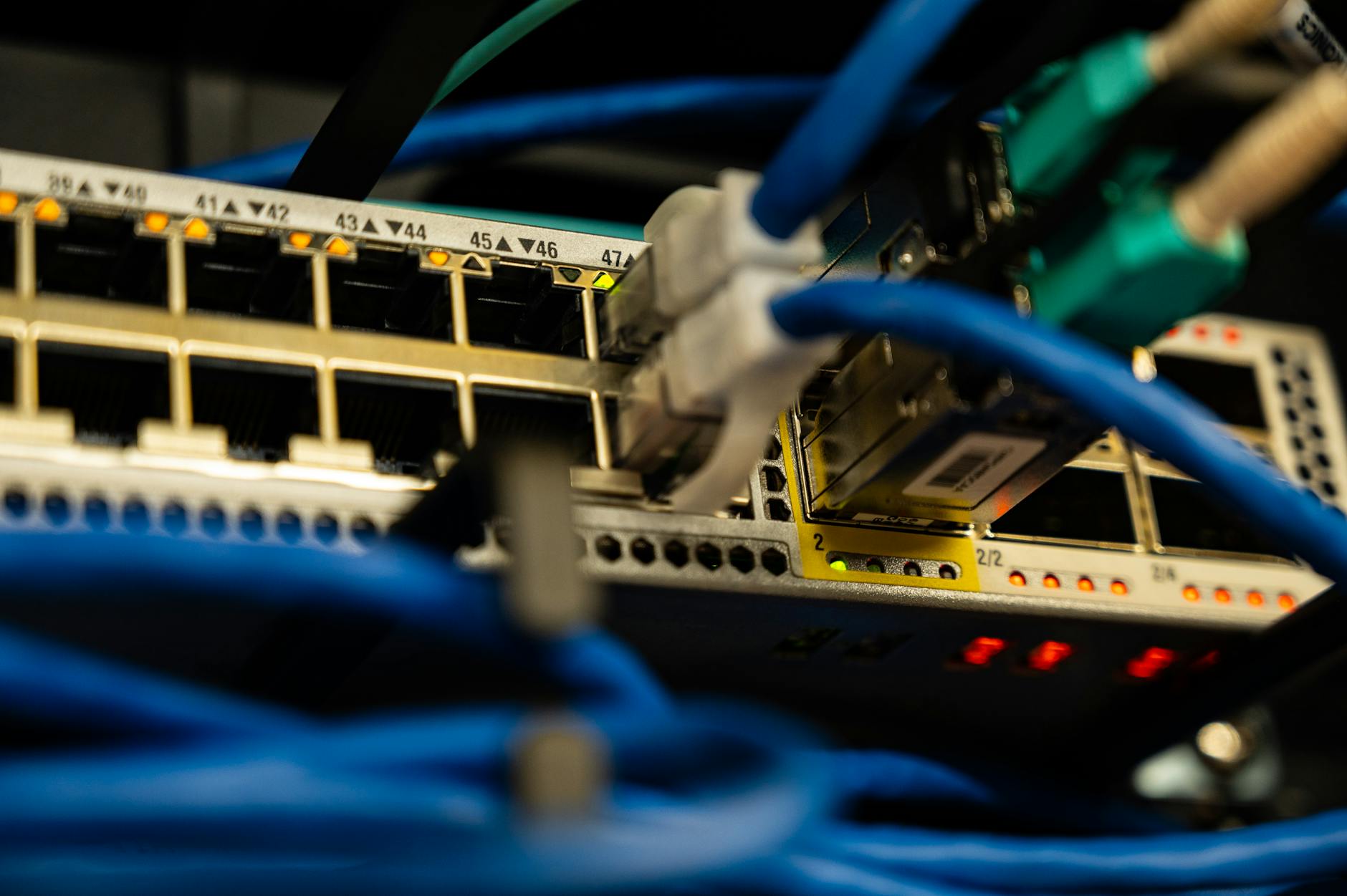
Single platform engineer responsible for AWS plus Azure plus a GCP project they inherited. The "I do not have a FinOps team" archetype.
Managed-service partners
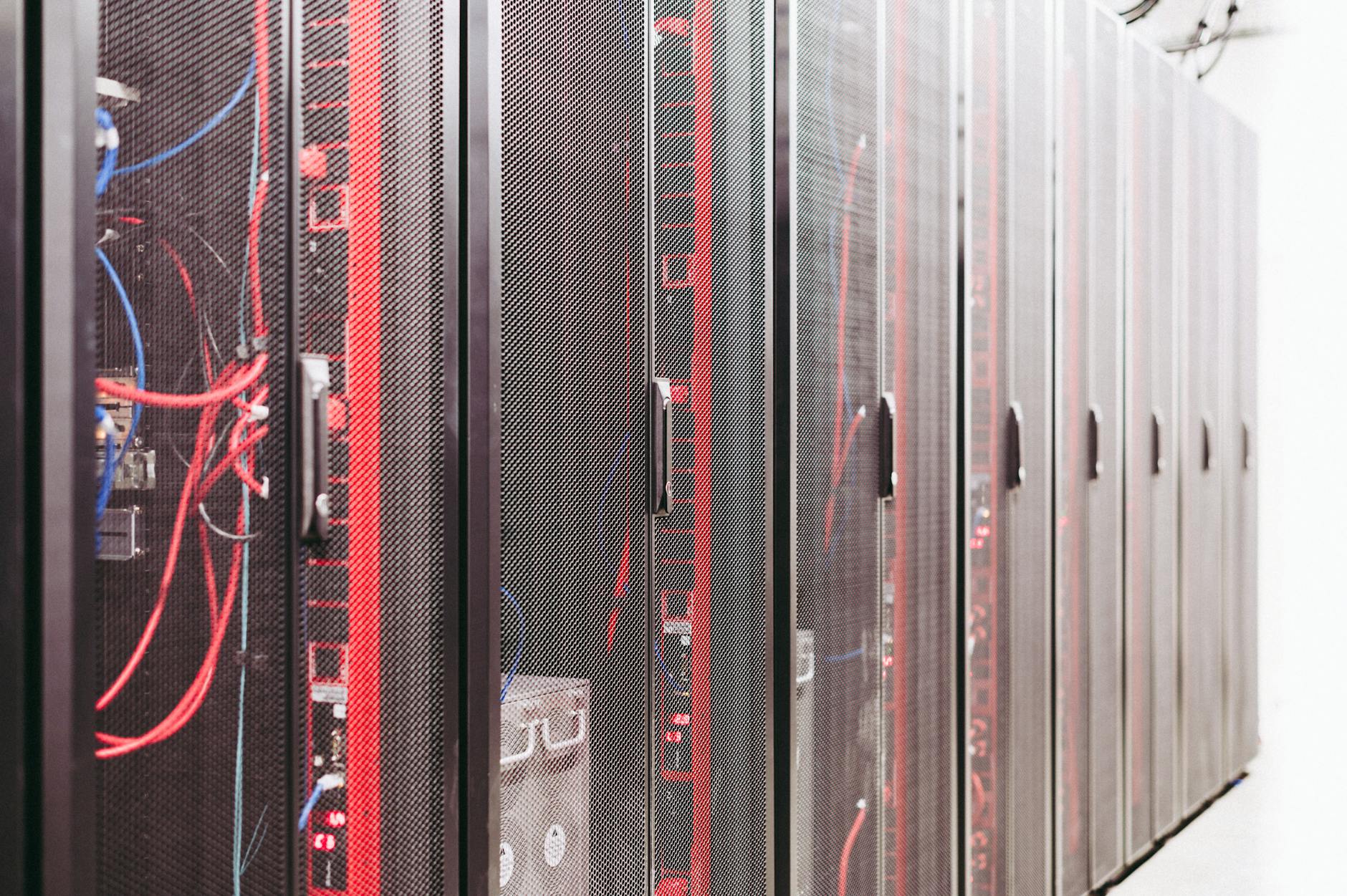
Microsoft and AWS partners managing dozens of customer tenants. Lighthouse and AWS Organizations as the access primitive.
EU sovereignty teams
DACH-region IT leaders evaluating StackIT and other sovereign clouds because the regulator asked. We cover Schwarz Group cloud out of the box.
Customer-tested workflow
The customer pilot is for current customers and friendly teams who can test Cloud Horizons against a real AWS, Azure, GCP, StackIT, or MCP question. Every session ends with a short scorecard and a product follow-up.
Workflow
Which cloud-cost task should be faster than spreadsheets or billing exports?
Trust
Where does the answer need more source detail, math, or provider context?
Adoption
What would make the team use Cloud Horizons again next week?

Built by
Spot Cloud B.V., the team behind Cloud Horizons and Spot Suite
We build and operate cloud platform software full time. We built Cloud Horizons because we got tired of writing the same anomaly detection scripts for every workload we touched.
Three tiers, banded by your monthly cloud spend. Cancel any time.
Starter
$99 /mo
Up to $100K monthly cloud spend
Growth
$249 /mo
Annual prepay saves 15%
Up to $500K monthly cloud spend
Business
from $799 /mo
Above $500K monthly spend
From the blog
Use the blog to validate how Cloud Horizons thinks about anomalies, attribution, MCP surfaces, and the cloud line items teams keep missing.
May 12, 2026 9 min read
Microsoft does not ship an MCP server for M365 or Entra ID. We built a bridge that turns Microsoft Graph API calls into MCP tools, so Claude can reason about user licenses, sign-in logs, and conditional access policies in real time. Why this is harder than it looks, and what is coming next.
May 12, 2026 10 min read
AWS has no native MCP endpoint, so we built one. Cloud Horizons's AWS MCP server lets Claude ask about EC2 inventory, S3 buckets, CloudWatch logs, and Cost Explorer data in plain English. No agents, no Terraform, no VPC access. Here is how it works and what we learned.
May 12, 2026 10 min read
The Model Context Protocol is an open standard for connecting AI assistants to live systems. We built a GCP MCP server that reads Compute Engine, Cloud SQL, and Cost data with nothing but a service account key. The architecture, the security model, and why it matters for multi-cloud operations.
Common questions
Use these to check whether Cloud Horizons fits your cloud mix, access model, and MCP plans.
Cloud Horizons is a platform for one answer across AWS, Azure, GCP, and StackIT billing plus ownership attribution, forecast signals, and MCP for AI automation.
Yes. Cloud Horizons publishes an MCP configuration and exposes provider-aware tools for Azure Cost Management, GCP Billing, AWS Cost Explorer, and StackIT cost and inventory data.
No. The default setup is read-only and uses the same cloud access primitives teams already use: AWS IAM roles, Azure service principals, GCP service accounts, and StackIT project tokens.
Yes. Current customers and friendly pilot teams can join the customer pilot to test real AWS, Azure, GCP, StackIT, and MCP workflows, then share feedback on trust, clarity, and adoption blockers.
Three fields. We confirm by email and offer a slot for the free 14-day audit.